What Causes Water Pump Failure? All You Need To Know
A failing water pump can lead to catastrophic engine damage if ignored. As the heart of your vehicle’s cooling system, the water pump keeps your engine from overheating by circulating coolant through it.
When it fails, your engine can overheat quickly, risking a cracked head, blown head gasket, or even complete engine failure. That’s why it’s so important to understand the causes of water pump failure and how to prevent them. We’ll cover this topic in detail here.
A Bad Seal


The seal between the water pump housing and the engine block is vital. It prevents coolant leaks and keeps excess air out of the cooling system. If the seal is improperly installed, the vehicle sits unused for too long, or the coolant becomes corrosive, it can fail.
While coolant leaks are bad, the presence of air is often worse. Air pockets can cause engine overheating and localized hot spots within the engine block. Excess air also encourages corrosion, reducing pump life and efficiency.
A Loose Drive Pulley
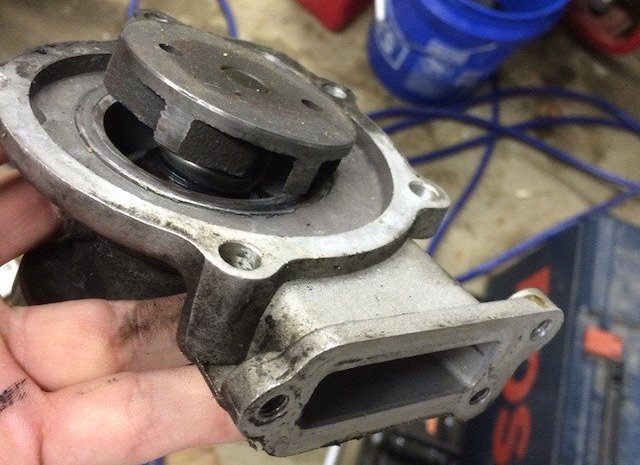
A vibrating or wobbling drive pulley can lead to pump failure by prematurely wearing out the pulley bearings. Over time, this causes a drop in pump efficiency and eventually complete failure.
A misaligned pulley may also cause the impeller to become imbalanced, further damaging the pump. To avoid this, always replace the pulley when replacing the water pump – many GMB water pumps come pre-installed with a high-quality drive pulley to prevent this issue.
A Bad Or Broken Belt


In belt-driven water pump systems, a worn, cracked, or slipping belt is a major red flag. If the belt is too loose, it can stop the water pump from functioning. If it’s too tight, it may cause bearing or pulley damage.
Regular inspection is essential. If a belt is over-tightened, it must be replaced, and the tensioner must be reset. A broken belt has the same effect as a broken pump: no coolant circulation, leading to immediate engine damage.
Worn Bearings
Bearings are key to keeping the water pump impeller spinning smoothly. If bearings wear out, the impeller may wobble or seize entirely. This not only damages the pump but can also affect the timing or accessory drive system.
GMB bearings are manufactured to OEM specifications or better, using high-strength materials and precision machining to deliver longer service life and smoother operation. They are built to handle real-world conditions and reduce the chances of premature failure.
Corrosion


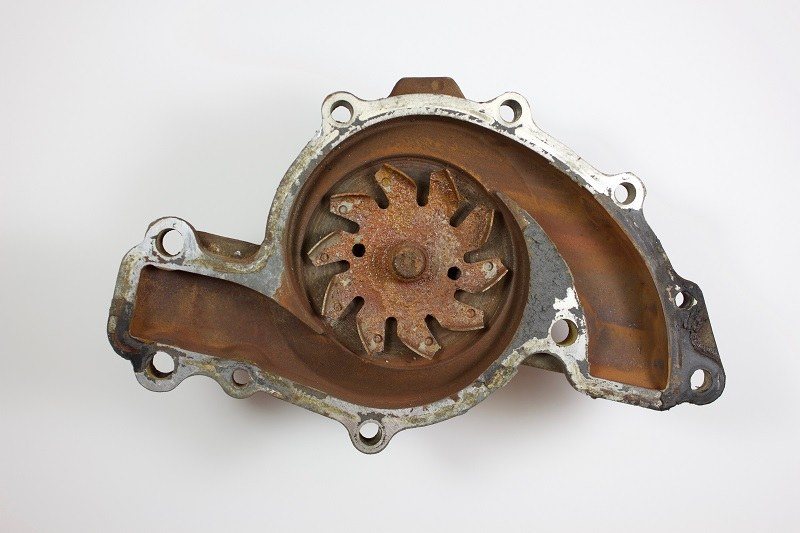
Corrosion is a silent killer of water pumps. It typically results from poor coolant maintenance or using tap water instead of distilled water when mixing coolant.
Unfortunately, corrosion often isn’t noticed until it’s too late. By the time symptoms appear, like coolant leaks, reduced flow from corroded impellers, or seal failure, the pump will already need replacing.
Coolant Contamination


Coolant that’s contaminated with oil, rust, or debris will damage seals, wear out impellers, and reduce the efficiency of the entire cooling system. It may even clog narrow coolant passages in the engine or radiator.
Always flush the system thoroughly and refill it with fresh, properly mixed coolant — using distilled water, never tap water. Check the coolant quality after you have flushed it, as evidence of oil or rust particles may indicate a more srious issue with your engine.
Cavitation
Cavitation occurs when air bubbles form in the coolant and then collapse, damaging internal components of the pump. It’s often caused by poor coolant circulation, low coolant levels, or improper coolant mixtures.
Cavitation can destroy the impeller and pump housing over time, so it’s crucial to maintain coolant levels and always bleed air from the system during servicing.
Weak, Corroded, Or Damaged Impeller


The impeller is responsible for circulating coolant. If it’s corroded or broken, coolant flow is restricted or stopped altogether, leading to overheating. If your impeller is damaged, the water pump will need to be replaced.
GMB impellers are engineered for strength and long-term reliability. They’re made from high-quality, heavy-duty materials to resist wear, corrosion, and heat damage far better than cheaper alternatives.
How Much Does A Water Pump Cost?
The cost of a replacement water pump depends on your vehicle and the type of pump required. You can expect to pay less for a water pump alone (typically a couple hundred or less), and a bit more for a water pump kit that includes the timing belt and/or tensioners and bearings (typically a few hundred or more).
Additionally, low-quality aftermarket pumps will cost less up front, but will likely lead to hefty future expenses. High-quality OEM spec (or better) water pumps from GMB are always the best investment.
Can I Replace A Water Pump Myself?
If you’re handy with tools and have some experience, replacing a water pump yourself is possible, especially on older or simpler engines. However, vehicles with timing belt-driven pumps or tight engine bays can make this job difficult. If the water pump is located low in the engine bay, you may want to use jacks or a car lift to access it from below.
You’ll need the correct tools, a new pump, fresh coolant, gaskets or sealant, and possibly a new belt or tensioner. Check out our blog on the best tools every DIY mechanic should have before you decide to take on the job.
Where Should I Buy A Water Pump?
Your best option is to buy directly from a trusted manufacturer or retailer with a reputation for quality and support. GMB is one of the world’s largest automotive OEM and aftermarket parts manufacturers, offering:
- OEM-grade components
- Precision manufacturing
- Competitive pricing
- Expert support
We offer water pumps with and without timing belt kits, as well as tensioners and idler bearings.
How Can You Prevent Premature Water Pump Failure?
While water pumps can fail due to wear, many issues are preventable with proper maintenance. To avoid common water pump problems in cars, follow a regular maintenance schedule and always use OEM specification replacement parts.
- Flush and refill coolant regularly
- Inspect belts and pulleys
- Use only high-quality coolant and distilled water
- Don’t ignore small leaks or overheating symptoms
High-Quality Water Pumps From GMB
Knowing what causes water pump failure helps to extend the life of the pump as well as the engine, and avoid costly repairs. Remember to periodically drain and flush the coolant in the cooling system, and keep up with all recommended maintenance schedules.
GMB has been an industry leading manufacturer of OE and aftermarket automotive products for decades. If you suspect an issue with your water pump or need a quality replacement, check out our catalog or contact our team for expert advice!
MORE CONTENT
Stay current!
Sign up here to get the latest news
and updates on all things GMB.
Sign Up To Receive GMB News & Updates!